Understanding the Importance of Light Weight Aluminum Casting in Modern Production Processes
Light weight aluminum spreading has emerged as a crucial element in contemporary production. Its light-weight and resilient nature contributes considerably to different industries, from automotive to electronics. On top of that, advancements in casting methods boost manufacturing effectiveness and quality. As producers look for innovative services, the function of light weight aluminum spreading in sustainability ends up being progressively important. This discussion will certainly check out the multifaceted importance of light weight aluminum spreading and its effects for the future of production. What lies in advance in this progressing landscape?
The Advantages of Aluminum Spreading in Production
Light weight aluminum casting offers numerous advantages that enhance its allure in contemporary manufacturing procedures. One significant benefit is its light-weight nature, which brings about reduced energy consumption and improved gas efficiency in transportation applications. In addition, aluminum's outstanding deterioration resistance extends the life-span of cast items, making them more long lasting in different atmospheres. The material also helps with elaborate layouts and complex geometries, allowing suppliers to produce components that fulfill accurate requirements.
Additionally, light weight aluminum casting boasts a reasonably low melting point, which conserves energy throughout the manufacturing process. This quality also enables fast cycle times, enhancing total performance. The recyclability of aluminum contributes to sustainability efforts, as recycled aluminum calls for considerably less energy to process compared to main light weight aluminum. Collectively, these benefits setting light weight aluminum spreading as an essential method in contemporary manufacturing, satisfying the demands for effectiveness, performance, and environmental obligation.

Applications of Aluminum Spreading Throughout Industries
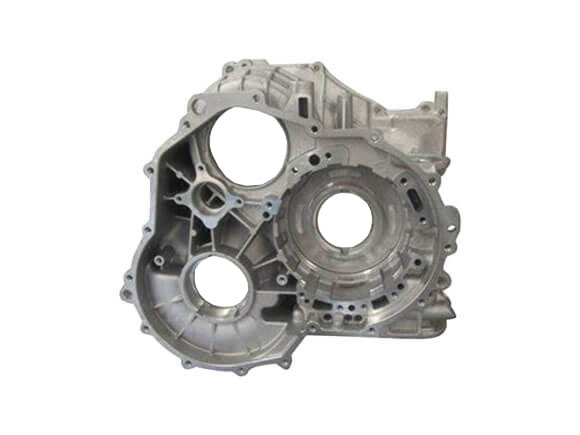
While different materials are utilized in production, aluminum spreading has come to be a critical technique throughout several industries because of its versatility and functionality. This process is widely utilized in the automotive industry for producing light-weight engine blocks, transmission situations, and various elements that enhance fuel efficiency. In the aerospace industry, aluminum casting is crucial for developing elaborate components that require high strength-to-weight ratios, adding to improved aircraft performance.
In addition, the electronic devices industry counts on aluminum castings for warm sinks and housings, where thermal monitoring is important for device longevity. The construction market likewise takes advantage of aluminum spreading in the kind of architectural parts and structural elements that integrate visual allure with sturdiness. Furthermore, the consumer goods market utilizes aluminum spreadings for kitchenware and showing off tools, leveraging the material's exceptional rust resistance and visual finish. Overall, aluminum spreading functions as a cornerstone in modern manufacturing, sustaining diverse applications throughout various fields.
The Function of Aluminum Spreading in Sustainability
Sustainability has actually become a centerpiece in producing methods, and light weight aluminum casting plays a vital function in advertising eco friendly options. The procedure of light weight aluminum spreading is inherently sustainable because of the material's recyclability. Light weight aluminum can be recycled several times without losing its residential properties, substantially minimizing energy intake and raw product demands. This reusing procedure eats just about 5% of the energy required for key aluminum production, leading to a noteworthy decline in carbon emissions.
Aluminum casting assists in the manufacturing of lightweight elements, which add to power website effectiveness in different applications, especially in the aerospace and automotive sectors - Aluminum Foundry. Lighter vehicles eat much less fuel, additional decreasing ecological impact. Additionally, developments in casting techniques are optimizing material usage, reducing waste in producing processes. As markets look for to straighten with sustainability goals, light weight aluminum spreading emerges as a practical remedy, sustaining a circular economy and fostering responsible manufacturing techniques
Technological Advancements in Aluminum Casting Techniques
As markets evolve, the adoption of innovative modern technologies in light weight aluminum casting methods has actually changed producing procedures. The assimilation of computer-aided layout (CAD) and computer-aided production (CAM) systems enhances accuracy and performance, enabling for complicated geometries that were formerly challenging to generate. Advanced melting and casting techniques, such as die spreading and investment spreading, have actually improved the quality of light weight aluminum parts, minimizing problems and decreasing waste. Additionally, the intro of automated systems and robotics in casting procedures has streamlined process and increased efficiency. These innovations additionally make it possible for real-time surveillance and information analytics, helping with better decision-making and quality control. Furthermore, the advancement of new alloys and warm treatment processes has actually broadened the efficiency capabilities of cast aluminum products. Jointly, these technological advancements not only optimize manufacturing performance yet likewise add to the sustainability of light weight aluminum casting in contemporary production.
Future Fads in Light Weight Aluminum Casting and Its Effect On Technology
Emerging fads in light weight aluminum spreading are positioned to reshape the manufacturing landscape, driving development throughout numerous industries. One substantial fad is the combination of advanced automation and robotics, which improves precision and performance in production processes. Additionally, the surge of additive production methods is permitting for much more complex designs, reducing material waste and manufacturing time. As sustainability becomes a priority, the industry's emphasis on recycling light weight aluminum and utilizing environmentally friendly methods is expected to expand, lining up with worldwide environmental goals.
The growth of wise spreading innovations, including real-time surveillance and information analytics, is set to boost top quality control and functional efficiency. These improvements will certainly assist in the production of lighter, stronger, and much more long lasting light weight aluminum parts, accommodating industries such as auto and aerospace. Ultimately, these fads will certainly not just optimize producing procedures yet additionally motivate new applications of light weight aluminum spreading, promoting a culture of advancement and versatility out there.
Often Asked Questions
What Is the Background of Aluminum Casting in Manufacturing?
Exactly How Does Aluminum Spreading Contrast to Other Steels?
Aluminum casting offers advantages such as light-weight buildings and corrosion resistance contrasted to various other steels. Aluminum Foundry. It facilitates intricate forms and improves energy performance, making it a preferred option in different manufacturing applications over larger alternatives like steel or iron
What Are the Typical Flaws in Light Weight Aluminum Spreading?
Usual issues in light weight aluminum casting consist of porosity, shrinking, misruns, and additions. These problems can develop from incorrect pouring strategies, insufficient mold style, or polluted products, causing decreased structural integrity and performance of the end product.
How Is the Quality of Light Weight Aluminum Castings Tested?
The quality of light weight aluminum spreadings is checked with methods such as visual examinations, dimensional measurements, non-destructive screening strategies, and mechanical home evaluations, making certain that they fulfill specified requirements for efficiency and architectural integrity.

What Are the Safety And Security Actions in Aluminum Spreading Processes?
Precaution in light weight aluminum casting processes consist of making use of individual safety devices, correct ventilation systems, regular devices upkeep, training workers on risks, and applying rigorous emergency situation protocols to decrease risks linked with high temperature levels and liquified metal.
The recyclability of aluminum contributes to sustainability efforts, as recycled light weight aluminum requires significantly less power to process compared to main aluminum. While different materials are utilized in manufacturing, aluminum casting has actually ended up being a crucial approach throughout several sectors due to its adaptability and functionality. Advanced melting and spreading methods, such as die casting and financial investment casting, have boosted the top quality of aluminum components, minimizing and lessening defects waste. Arising patterns in light weight aluminum casting are positioned to reshape the production landscape, driving technology across numerous sectors. Aluminum spreading has advanced considering that the late 19th century, originally creating with the intro of light weight aluminum as a light-weight metal.